Loading...
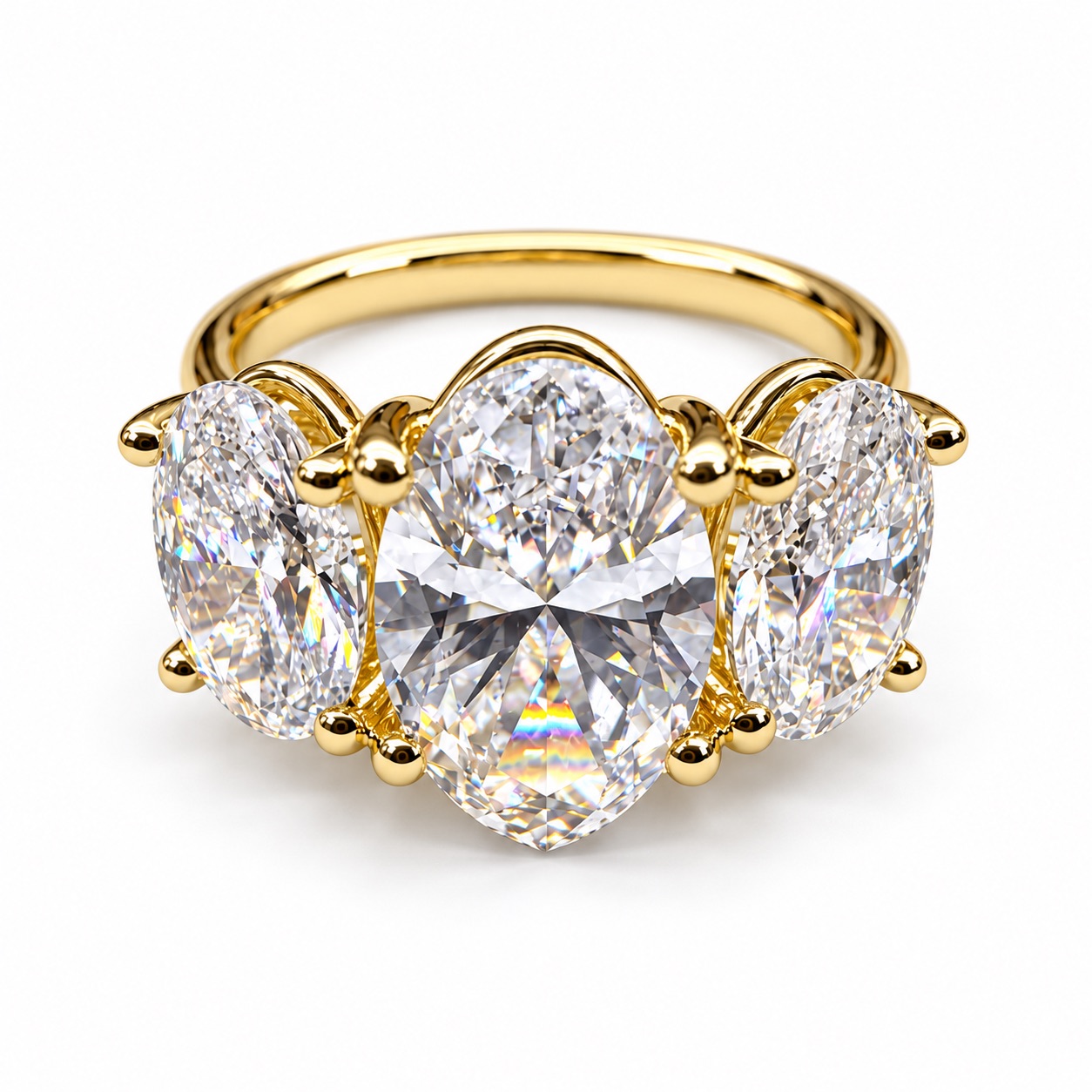
Three lab-grown ovals, cut slimmer than the standard, set in polished yellow gold. A close look at how the Oval Trilogy Engagement Ring was shaped by ratio, proportion and patience.
The Katura Editors
Fine jewelry essays from the Katura1999 studio.
The first thing you notice is the length. Three ovals sit in a row on the finger, and each one is a little more slender than the oval you expect, so the eye travels along the stones rather than stopping at one. Then comes the warmth of polished yellow gold, glowing around white diamond. That is the quiet drama of the Oval Trilogy Engagement Ring.
A trilogy ring is a simple idea: three stones, side by side. Its success depends entirely on proportion. When three ovals share the same slim stance, they read like a single gesture, a long and graceful line across the hand. Nothing competes. Nothing feels crowded.
Our studio describes these stones as ovals chosen by pushing the ratios. In plain terms, that means the stones are longer and narrower than the standard cut. We are not going to quote dimensions, because the choice is the point: the ratio is something to be looked at and judged on the hand, not summed up in a number.
A standard oval is lovely, familiar and friendly. A more elongated oval has a different temperament. It feels a touch more poised, more deliberate, a little more architectural. Think of the difference between a round-toed shoe and a slim, tapered one. Both are beautiful, but only one makes the line of the foot look longer.
This is a matter of taste, and taste is personal. That is why the studio’s approach matters: Katura spends the time to find the shape and cut that means the most to you, rather than defaulting to whatever is most common.
The materials are few, and each one has a job. The stones are three lab-grown ovals, diamond in character, bright and clear in the way a diamond should be. The metal is yellow gold, with a polished finish that gives it a mirror-like glow. Polished gold picks up the light and the colour of whatever surrounds it, from candlelight at dinner to a bright window on an ordinary morning.
Yellow gold also does something subtle for white stones. It frames them with warmth, so the diamonds appear crisp against the metal. It is a classic pairing, and with slender ovals it feels fresh rather than traditional.
A catalogue ring is usually built around what is easy to repeat: a standard stone shape, a standard cut, a standard answer. This ring begins with a different question. Which ratio looks right? Which stones belong together? Choosing three ovals that harmonise takes looking, comparing and patience, and that time is the real luxury here.
If you enjoy this way of thinking, you may also like our essay on the Katura Architect Ring, a piece built with similar intent. And for more in this spirit, you can browse our engagement rings or the wider ring collection.
An engagement ring is worn daily, so it should feel natural. The slim lines of this design suit a wearer who likes jewellery that looks considered without shouting. It photographs well, but more importantly it looks good in motion: when a hand reaches for a coffee cup, turns a page, or rests on a shoulder.
At $7,000, the Oval Trilogy Engagement Ring is a statement of preference as much as a purchase. It says that you looked closely, that you cared about the shape, and that you chose proportion over convention. For the right person, that is exactly the story a ring should tell.
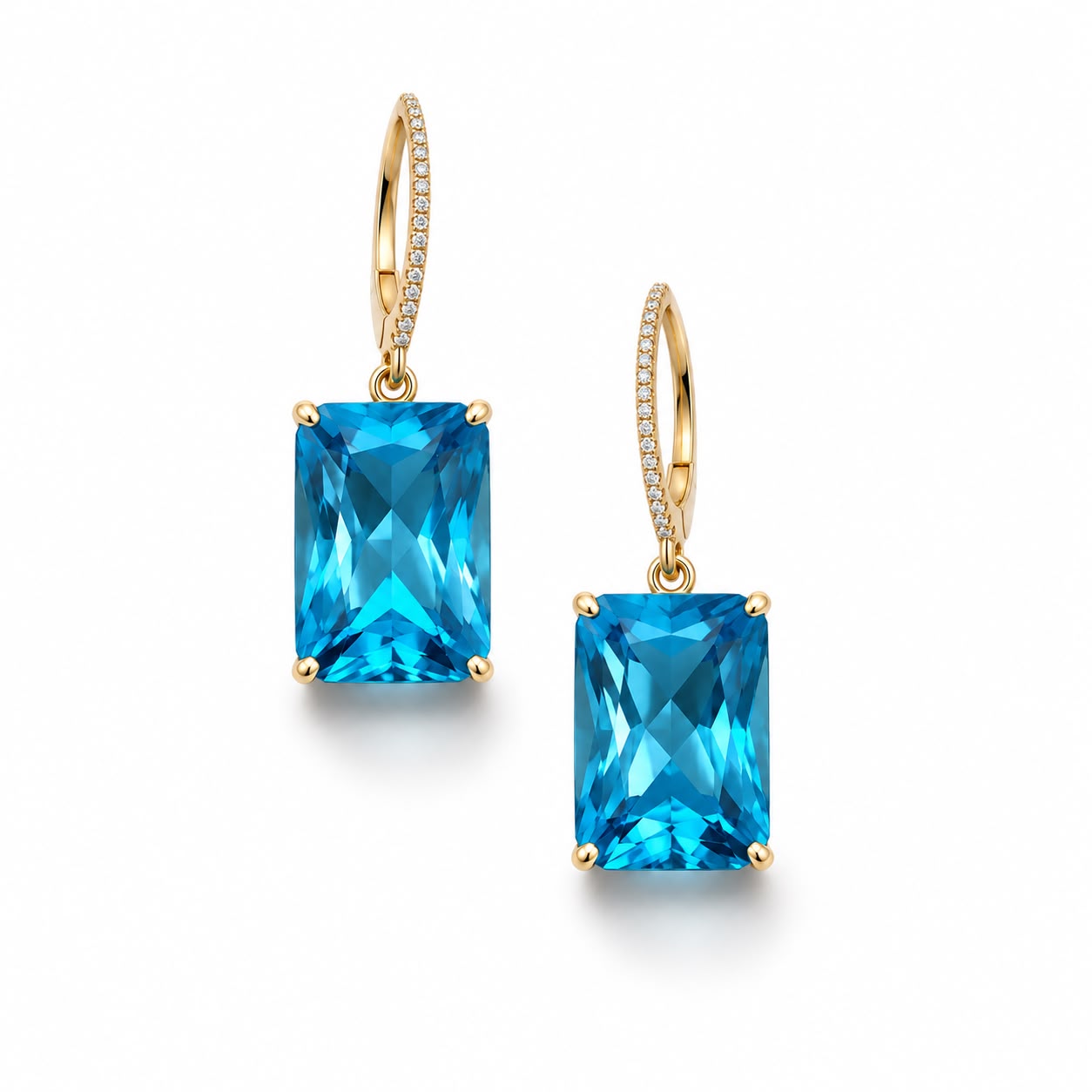
Large blue topaz hang from diamond ear wires in polished yellow gold. We look at what you notice first, how the stones are cut, and why a handmade pair is never quite identical.
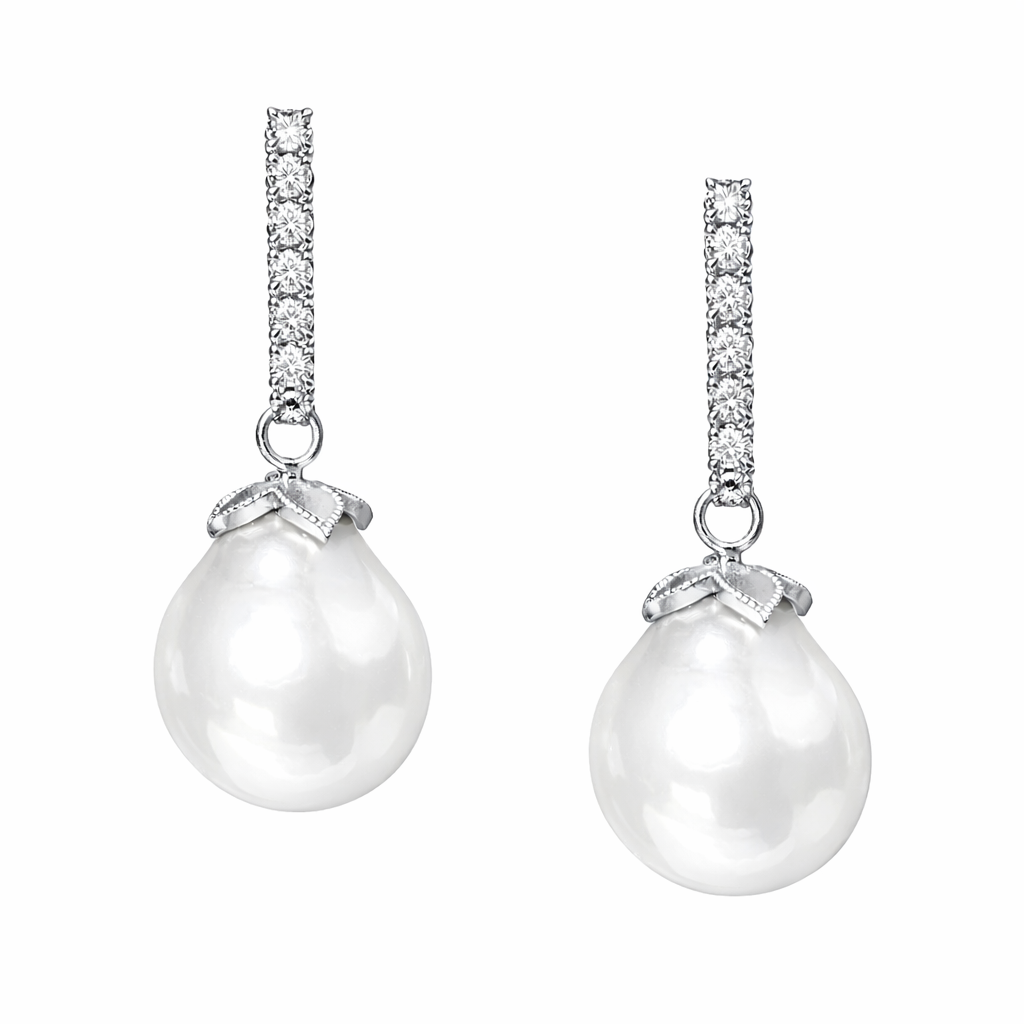
A close look at a one-of-one pair in polished yellow gold with diamonds: what the eye catches first, what the name promises, and why a single-piece earring rewards patient looking.
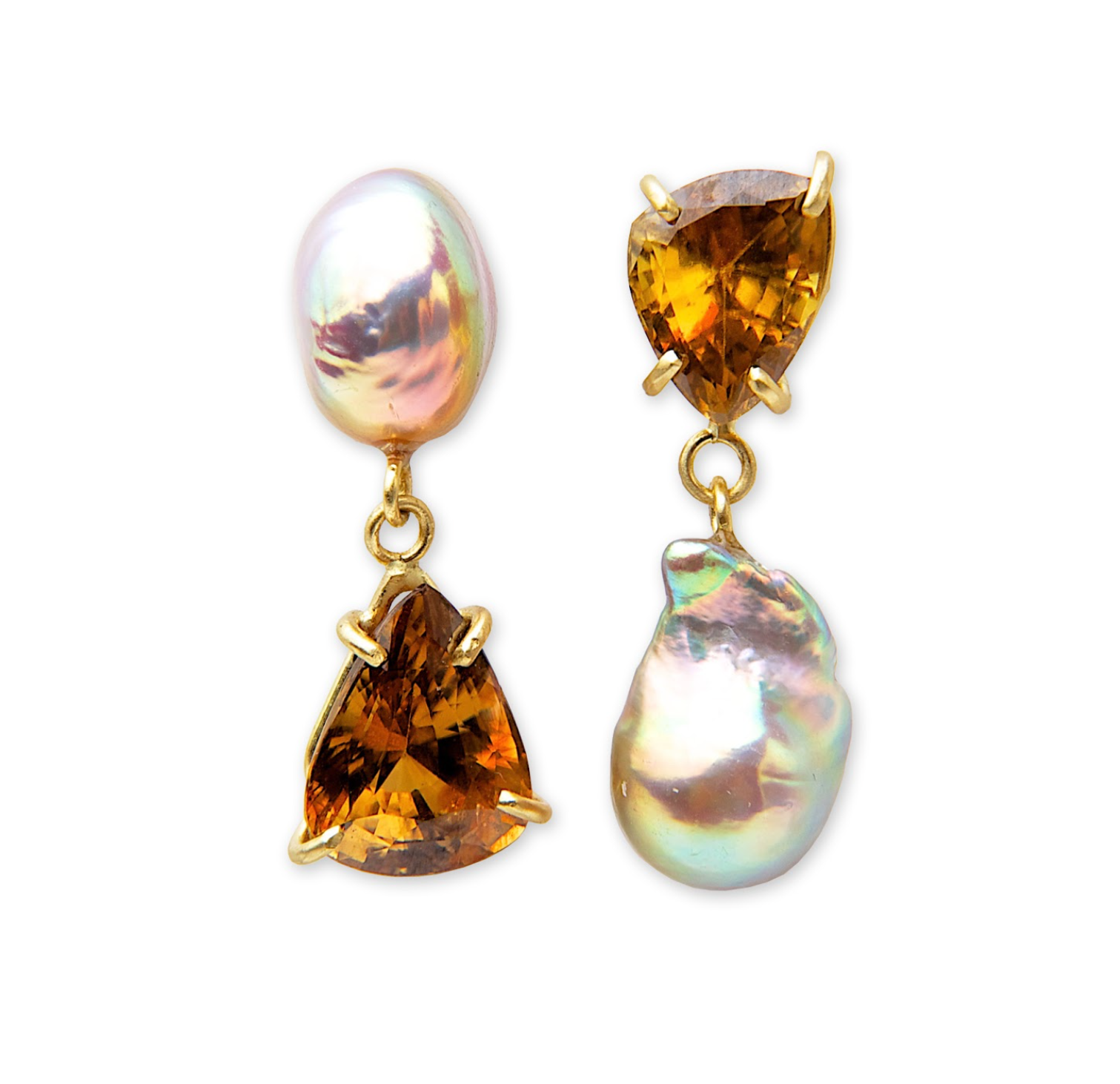
Yellow gold, topaz and pearls with a metallic sheen come together in a single one-of-one pair. Here is what you notice first, and why the details reward a slower look.
Tags: