Loading...
Explore the unique qualities of 14k, 18k, and 22k gold. Discover which karat is best suited for daily wear and what each brings to your jewelry collection.
The Katura Editors
Fine jewelry essays from the Katura1999 studio.
Gold has been cherished for its unparalleled luster and timeless appeal, making it a favorite for crafting fine jewelry. When selecting gold pieces for everyday wear, understanding the differences between 14k, 18k, and 22k gold is crucial. Each offers unique characteristics that influence durability, color, and cost.
Gold used in jewelry is typically mixed with other metals to enhance strength and alter its hue. Pure gold, or 24k, is too soft for practical wear. This is where karats come into play, representing the proportion of gold to other metals in the alloy. A higher karat number means more gold content, whereas lower numbers indicate a greater amount of alloyed metals.
14k gold consists of 58.3% pure gold, balanced with metals like copper, silver, or zinc. This blend creates a hardier metal, making 14k gold an ideal choice for daily wear. Its durability resists scratches and dents, supporting an active lifestyle. Moreover, 14k gold's understated hue, slightly paler than higher karat golds, can complement a wide range of skin tones and styles.
For those who prefer a subtle elegance and practicality, 14k gold offers a balance of beauty and resilience at a more accessible price point.
18k gold is composed of 75% pure gold, offering a richer, more vibrant yellow color. This option is often favored by those who appreciate a touch of luxury without sacrificing too much durability. While softer than 14k, 18k gold still provides sufficient resilience for most daily activities, though it may show wear more quickly if subjected to rough conditions.
Choosing 18k gold often reflects a desire for a more pronounced and traditional gold aesthetic, perfect for those who cherish a blend of opulence and practicality.
22k gold, containing approximately 91.6% pure gold, is revered for its deep, radiant glow. This high purity means that 22k gold is softer and more prone to scratching and bending, making it less suitable for rigorous everyday wear. However, for special pieces that are worn with care or on particular occasions, 22k gold provides a stunning, eye-catching allure.
This choice is ideal for jewelry that emphasizes craftsmanship and is meant to be treasured rather than subjected to daily wear and tear.
When deciding which gold to wear daily, consider your lifestyle, aesthetic preferences, and budget. 14k gold offers strength and affordability, 18k provides a balance of luxury and durability, while 22k delivers a captivating vibrancy best reserved for special occasions.
Ultimately, the best choice in gold karat depends on how you intend to wear the piece and the personal significance it holds for you. Each karat value offers its own charm, allowing you to express individuality through your jewelry collection.
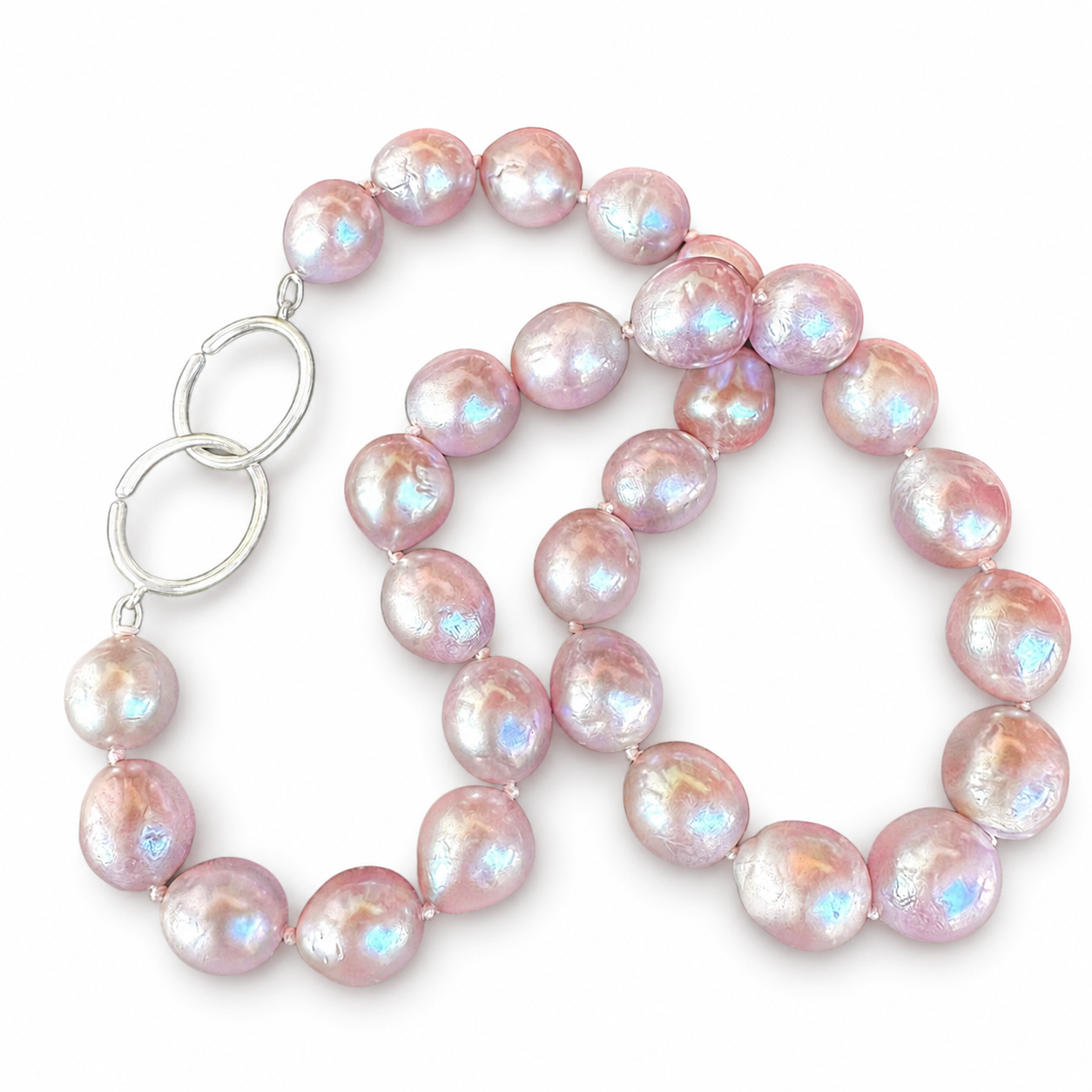
Discover the allure of our Cultured Freshwater Pearls in Pink with Sterling Silver. A unique necklace that showcases the exceptional craftsmanship of Katura.
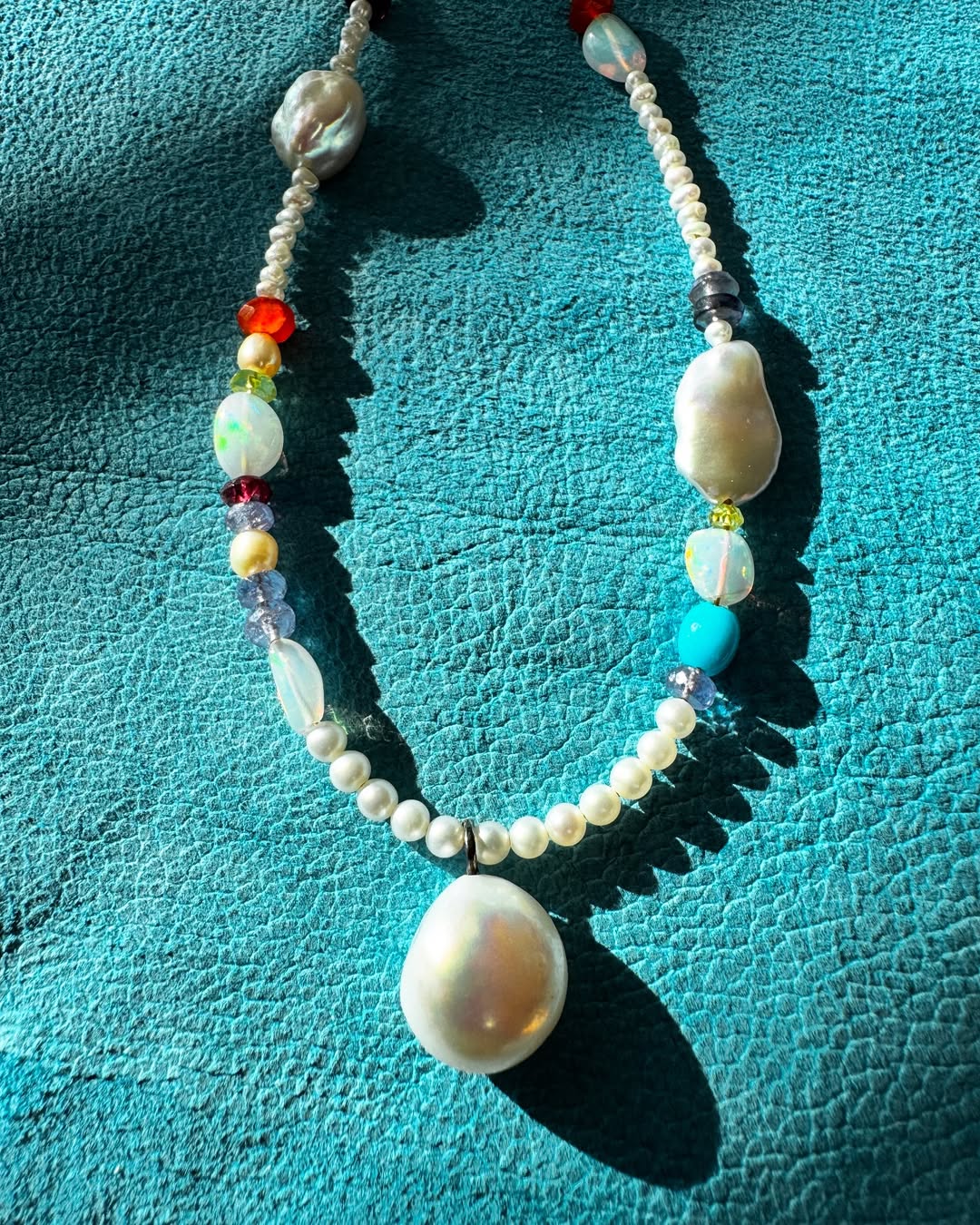
Discover the allure of the Pearls + Opals + Tanzanite necklace, a one-of-a-kind piece that marries opulence with understated elegance.
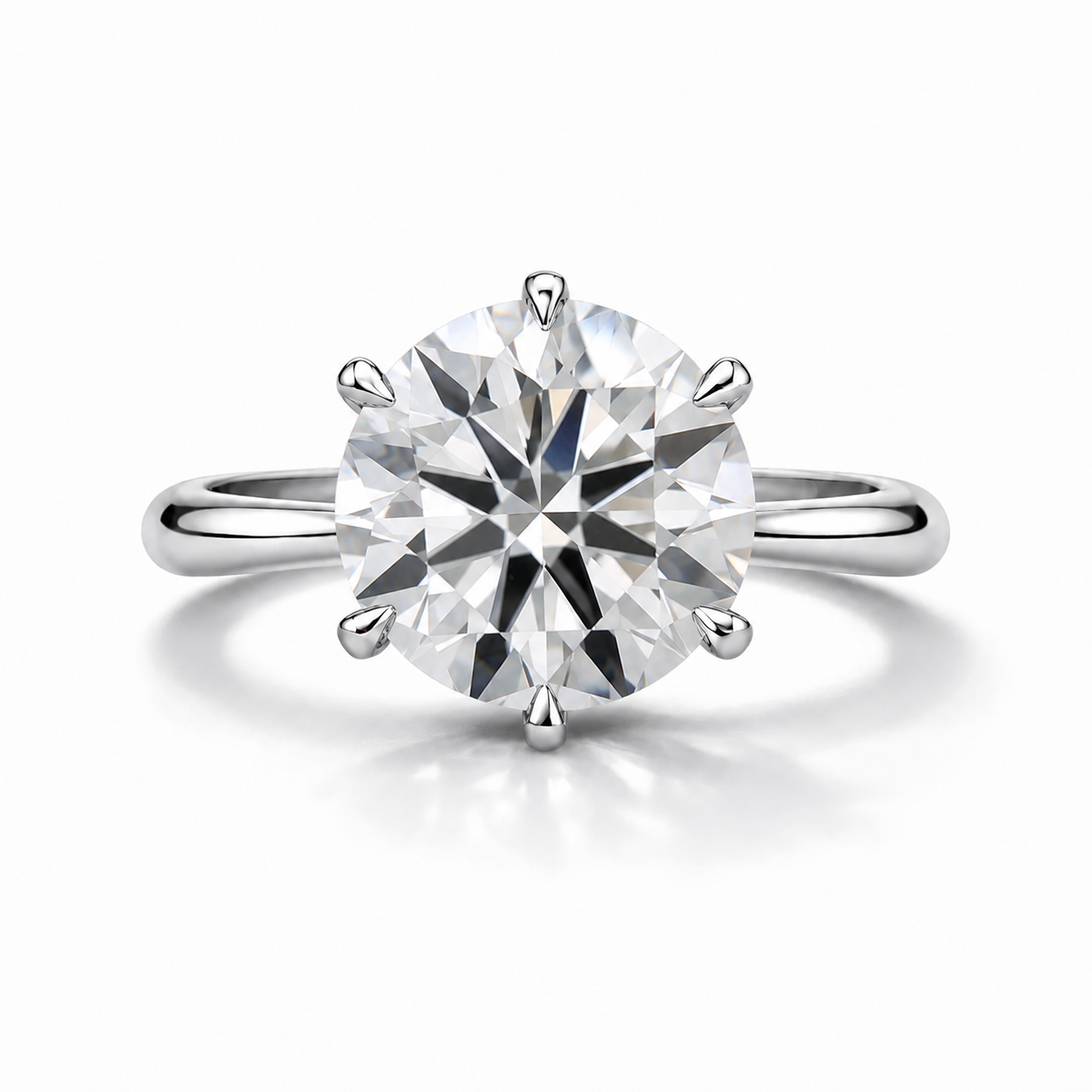
Explore the unmatched elegance of our 7.77 Carat Natural D Flawless Round Brilliant Solitaire in Platinum. Learn what makes this masterpiece truly exceptional.
Tags:
As featured above
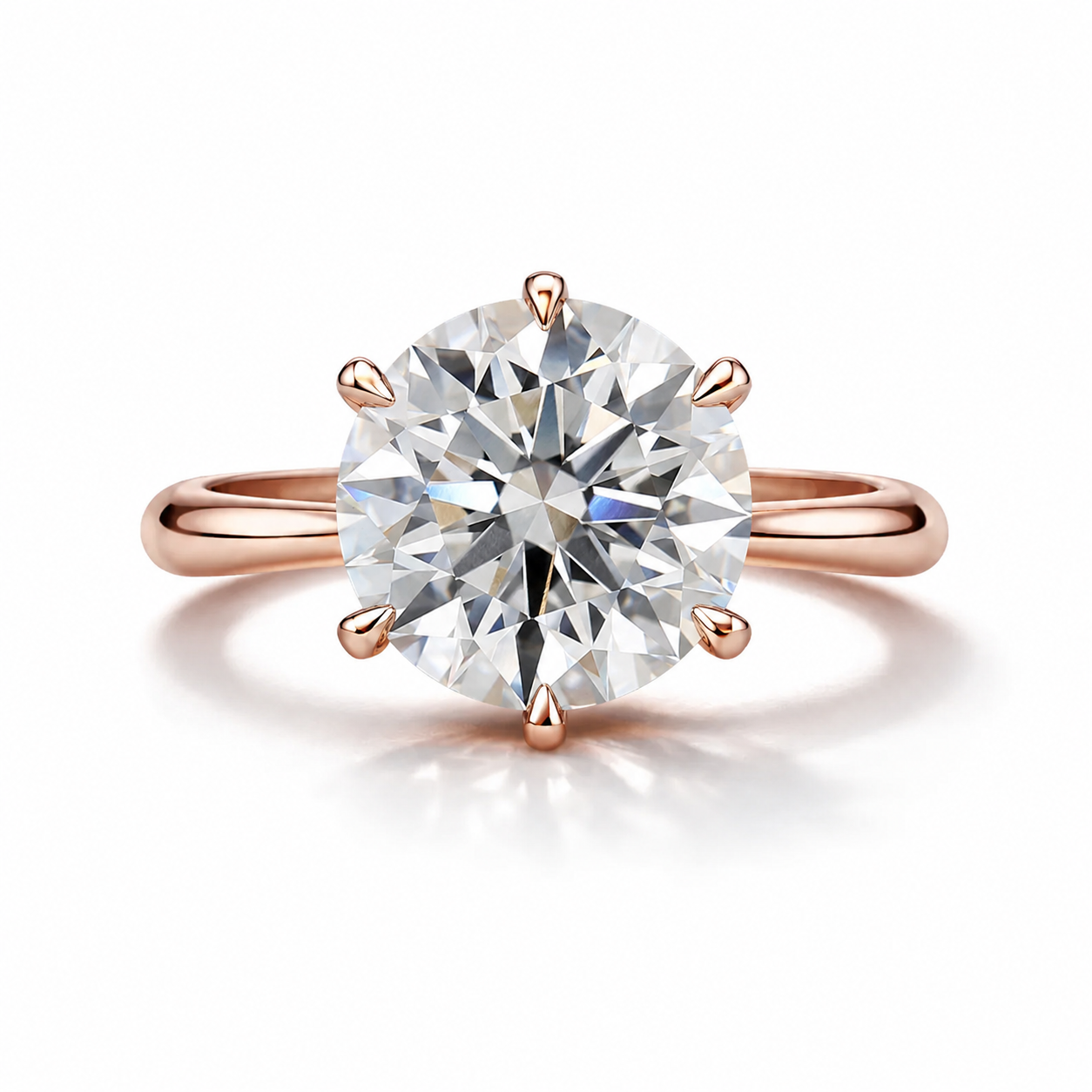
7.77 Carat Round Brilliant Solitaire & Rose Gold Engagement Ring
From the Katura studio · $17,000
Shop this piece →