Loading...
Explore the distinct characteristics of 14k, 18k, and 22k gold. Learn which gold type best suits your daily wear needs and lifestyle preferences.
The Katura Editors
Fine jewelry essays from the Katura1999 studio.
Gold is more than just a precious metal — it's a symbol of timeless elegance and enduring value. When it comes to choosing gold jewelry for daily wear, the karat weight of the gold plays a crucial role in determining not only the piece's appearance but also its durability and suitability for everyday use. In this article, we'll delve into the distinctions between 14k, 18k, and 22k gold, helping you decide which is the best fit for your lifestyle.
The term 'karat' is used to describe the purity of gold. Pure gold is 24 karats, meaning it is 100% gold. However, pure gold is too soft for most jewelry, so it's usually alloyed with other metals like copper, silver, and nickel to enhance its strength and durability. The karat measurement indicates the proportion of pure gold in the alloy. For example, 14k gold consists of 58.3% pure gold, while 18k gold contains 75%, and 22k gold comprises 91.7% pure gold.
14k gold is a popular choice for those seeking a balance between durability and aesthetic appeal. Its composition — less than 60% gold — makes it harder and more resistant to scratching and bending than its higher-karat counterparts. This makes 14k gold particularly well-suited for engagement rings, wedding bands, and other pieces that endure daily wear. Its robust nature does not compromise on beauty, offering a subtle, warm hue that harmonizes with both classic and contemporary styles.
Stepping up in purity, 18k gold strikes a perfect balance between richness and resilience. With 75% gold content, it offers a warmer, more vivid color than 14k. While it is slightly more prone to scratching and wear, many find the trade-off worthwhile for its luxurious appearance. 18k gold is an excellent choice for those who desire a touch of opulence in their everyday jewelry without sacrificing practicality entirely. It pairs beautifully with diamonds and colored gemstones, enhancing their brilliance and depth.
For jewelry that makes a statement with its rich, deep color, 22k gold is unmatched. At 91.7% purity, its lush yellow hue is captivating, though its softness requires mindful wearing. This high-karat gold is typically reserved for special pieces or cultural jewelry, such as bangles or necklaces, which may not be subject to the same wear and tear as rings or bracelets. While 22k gold can be worn daily, it's best suited for occasions where care can be taken to avoid knocks or abrasions.
When deciding which karat of gold to wear daily, consider your lifestyle and how you plan to wear your jewelry. If you're active and want jewelry that withstands a busy lifestyle, 14k gold is the practical choice. For a balance of durability and luxury, 18k gold offers a versatile option. If your style leans towards the bold and ceremonial, 22k gold can be worn regularly with some extra care.
Each karat brings its own unique beauty and characteristics. Whether you choose the resilience of 14k, the luxurious balance of 18k, or the opulent nature of 22k gold, your selection will reflect your personal style and needs. Ultimately, the best gold for daily wear is the one that aligns with your life, ensuring your jewelry remains a cherished part of your everyday ensemble.
Shop the look
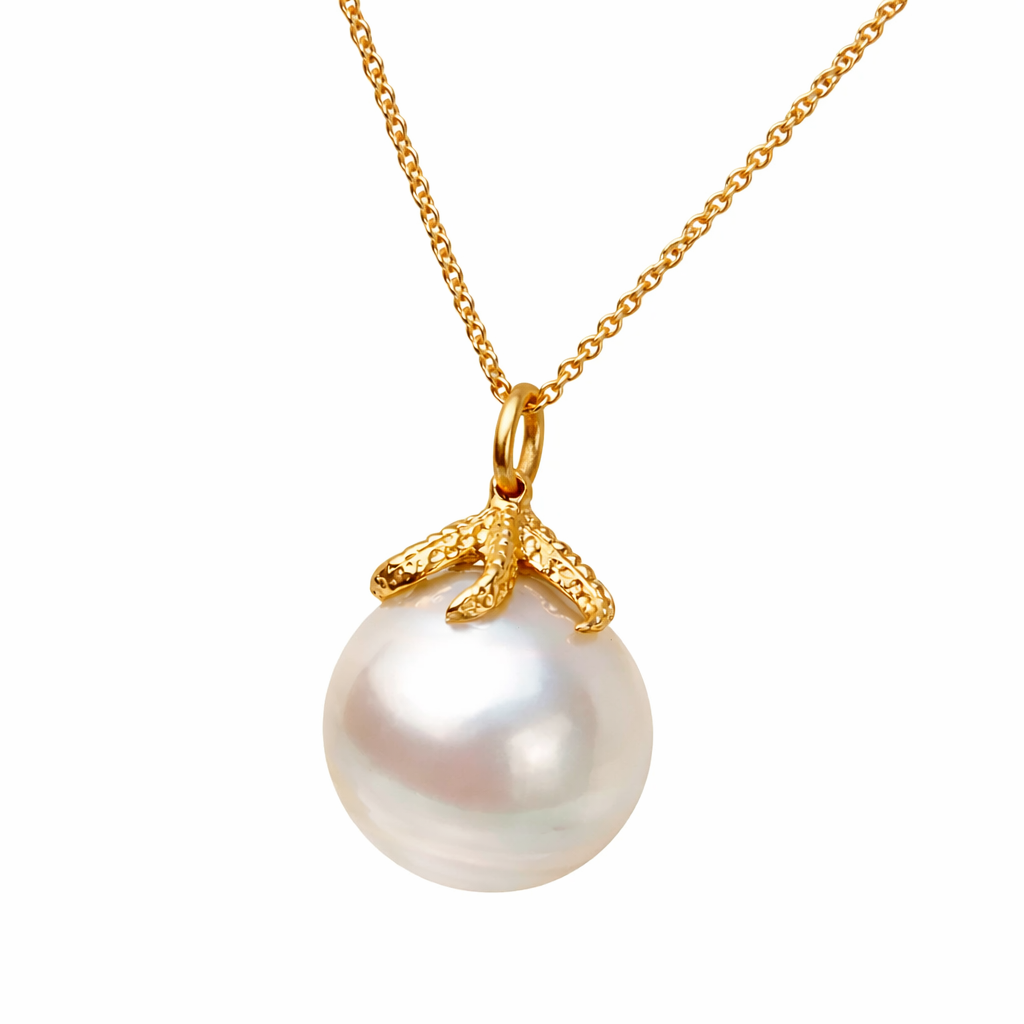
South Seas Pearl and Katura Signature Starfish Pendant in 18K Yellow Gold
$1,900 · From the Katura studio

Explore why moissanite has captured the spotlight in fine jewelry, and understand when a classic diamond might still be your best choice.
Explore why signet rings, rich in history and symbolism, are becoming essential in contemporary fashion, weaving timeless elegance into everyday wear.
Discover the art of layering necklaces without the dreaded tangle. Our expert guide unveils tips for combining lengths, textures, and clasps.
Tags:
As featured above
South Seas Pearl and Katura Signature Starfish Pendant in 18K Yellow Gold
From the Katura studio · $1,900
Shop this piece →