
Loading...
Explore the nuanced world of lab-grown vs. natural diamonds in 2026, offering insights on ethical sourcing, pricing, and choosing the perfect gem for your occasion.
The Katura Editors
Fine jewelry essays from the Katura1999 studio.
As we step into 2026, the shimmering allure of diamonds captivates hearts as strongly as ever. Whether you're preparing to pop the question with the perfect engagement ring, or seeking a timeless gift, understanding the differences between lab-grown and natural diamonds will help illuminate your decision-making process. Both types of diamonds offer their own unique virtues, and today we'll dive into these sparkling treasures to guide you through your ultimate choice.
Natural diamonds have been cherished for centuries, revered not only for their dazzling beauty but also for the story they tell. These gems are formed over millions of years, deep within the Earth's crust under intense heat and pressure. Each diamond holds a singular history, a piece crafted by nature itself. When you hold a natural diamond, you're holding a fragment of history that is as unique as your own love story.
In 2026, the legacy of natural diamonds remains coveted for their rarity and prestige. These gemstones are often seen as the epitome of luxury, carrying with them a sense of tradition and enduring value. However, with rarity comes cost; natural diamonds are typically more expensive, reflecting the time, effort, and resources invested in their extraction and refinement.
Over the past decade, lab-grown diamonds have swiftly gained popularity, and by 2026, they have become a staple in the fine jewelry industry. These diamonds are chemically and physically identical to their natural counterparts, crafted in controlled lab environments. The process effectively replicates the natural formation of diamonds, resulting in a product that is indistinguishable to the naked eye.
Lab-grown diamonds offer an ethical alternative. With concerns about environmental impact and ethical sourcing reaching a broader audience, many couples are drawn to lab-grown options for their perceived sustainability. The ability to trace a diamond back to its origin is a compelling factor for eco-conscious buyers, ensuring peace of mind that their precious gem is conflict-free.
When it comes to cost, lab-grown diamonds generally present a more affordable option. By bypassing the extensive mining process, these diamonds can be priced 30-40% lower than natural diamonds of similar quality. This price difference allows buyers to opt for larger stones or invest in higher grade diamonds without stretching their budget.
Despite their affordability, it's important to consider the resale value. As of 2026, natural diamonds still retain a higher resale value, often seen as a reliable investment. However, the growing acceptance and innovation in lab-grown options may alter this dynamic in the future, as they continue to carve a larger niche in the market.
The decision between lab-grown and natural diamonds ultimately boils down to personal preference. If you value tradition, history, and investment potential, a natural diamond might resonate more with you. The imperceptible differences and the aura of natural formations carry a charm that is hard to match.
On the other hand, if sustainability, ethics, and value for money are your guiding principles, a lab-grown diamond can provide a perfect match. These gems demonstrate the beauty of modern innovation, offering a guilt-free sparkle that aligns with contemporary values.
In today's world, both lab-grown and natural diamonds shine brightly with their own unique appeal. Whether you're driven by the allure of ancient formations or the promise of a sustainable future, there's a diamond for you. This buyer's guide serves to help you navigate this radiant choice with confidence, ensuring that the diamond you choose is a true reflection of your values and vision for the future.
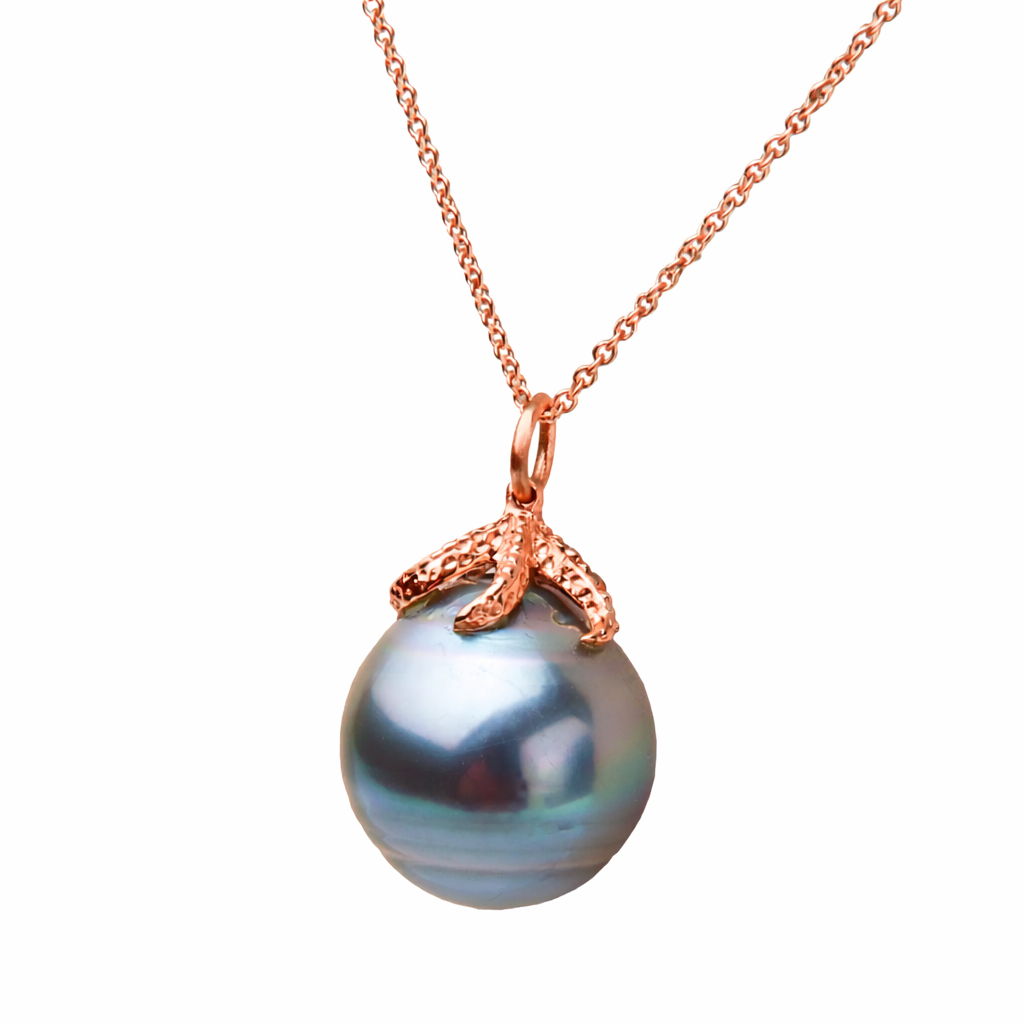
A one-of-one necklace where rose gold and lustrous pearl converge. We trace the details that elevate this piece beyond the ordinary.
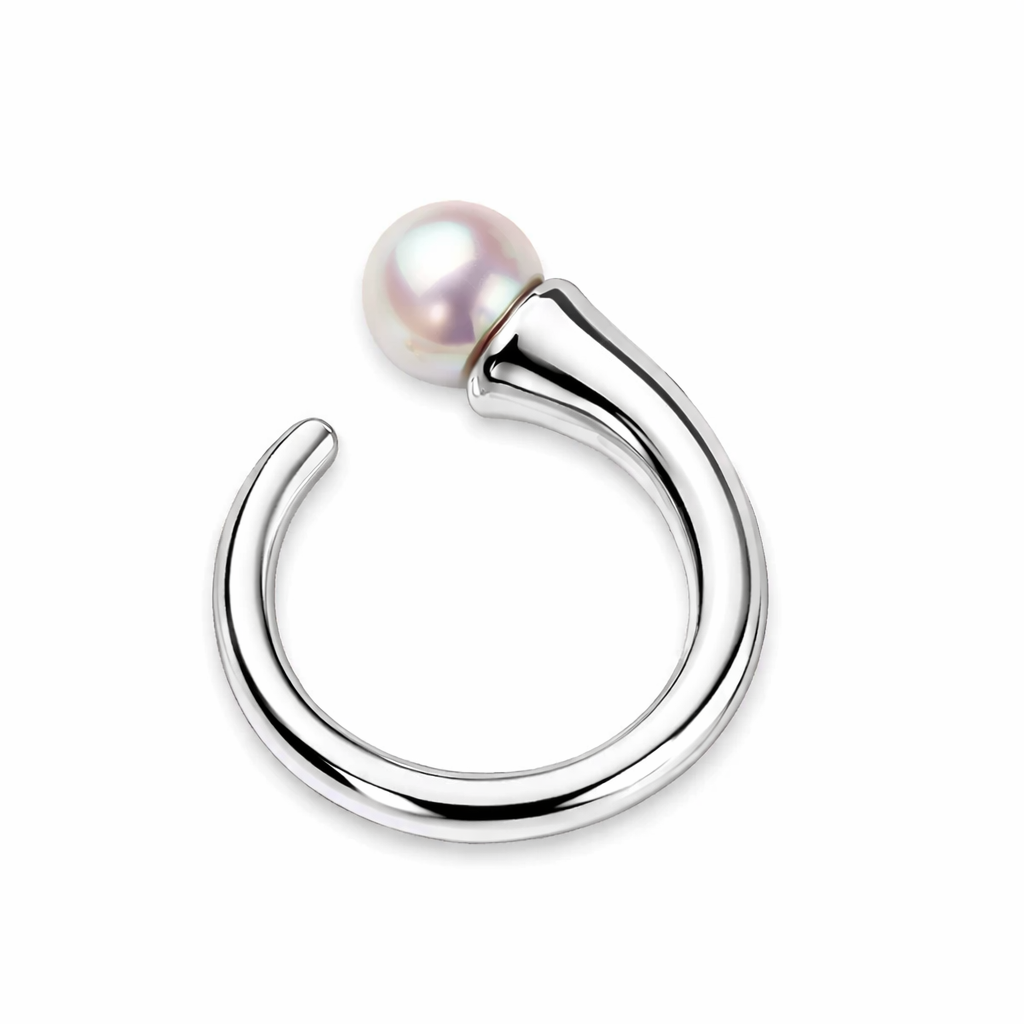
A one-of-one pearl ring in white gold that rewards close looking. We trace what separates this studio piece from mass production.
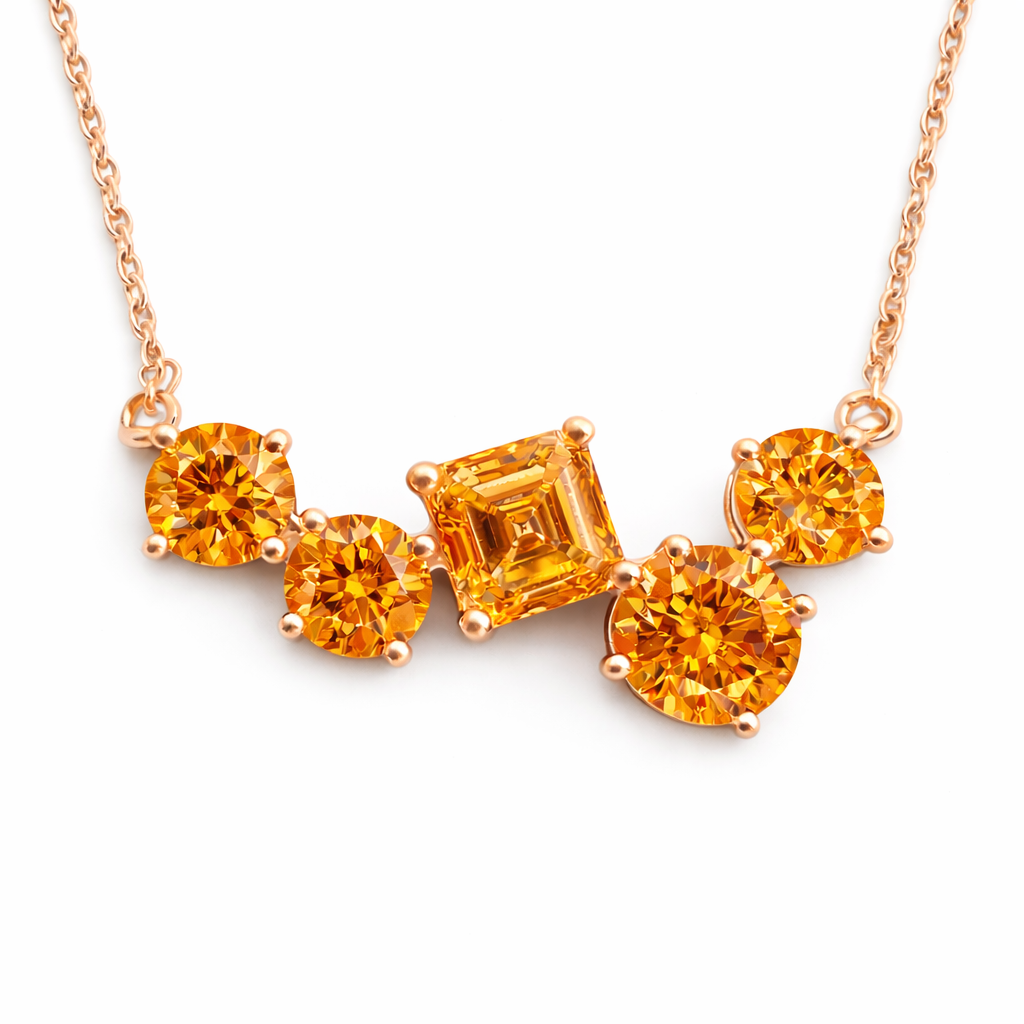
Meet the Izzy: a 3.5-carat lab-grown orange diamond necklace in 18K rose gold that glows like exotic mandarin. Here's what makes this handmade piece impossible to replicate.
Tags:
As featured above
Katura Natural Pearl + 3 Diamonds Ring
From the Katura studio · $5,000
Shop this piece →