
Peruvian Opal and Antique Copal: A Study in Contrast
What stops you first: the size of the opals, or the depth of the copal? This sterling silver necklace reveals why unexpected materials, paired with intention, create something unforgettable.
The Katura Editors
Fine jewelry essays from the Katura1999 studio.
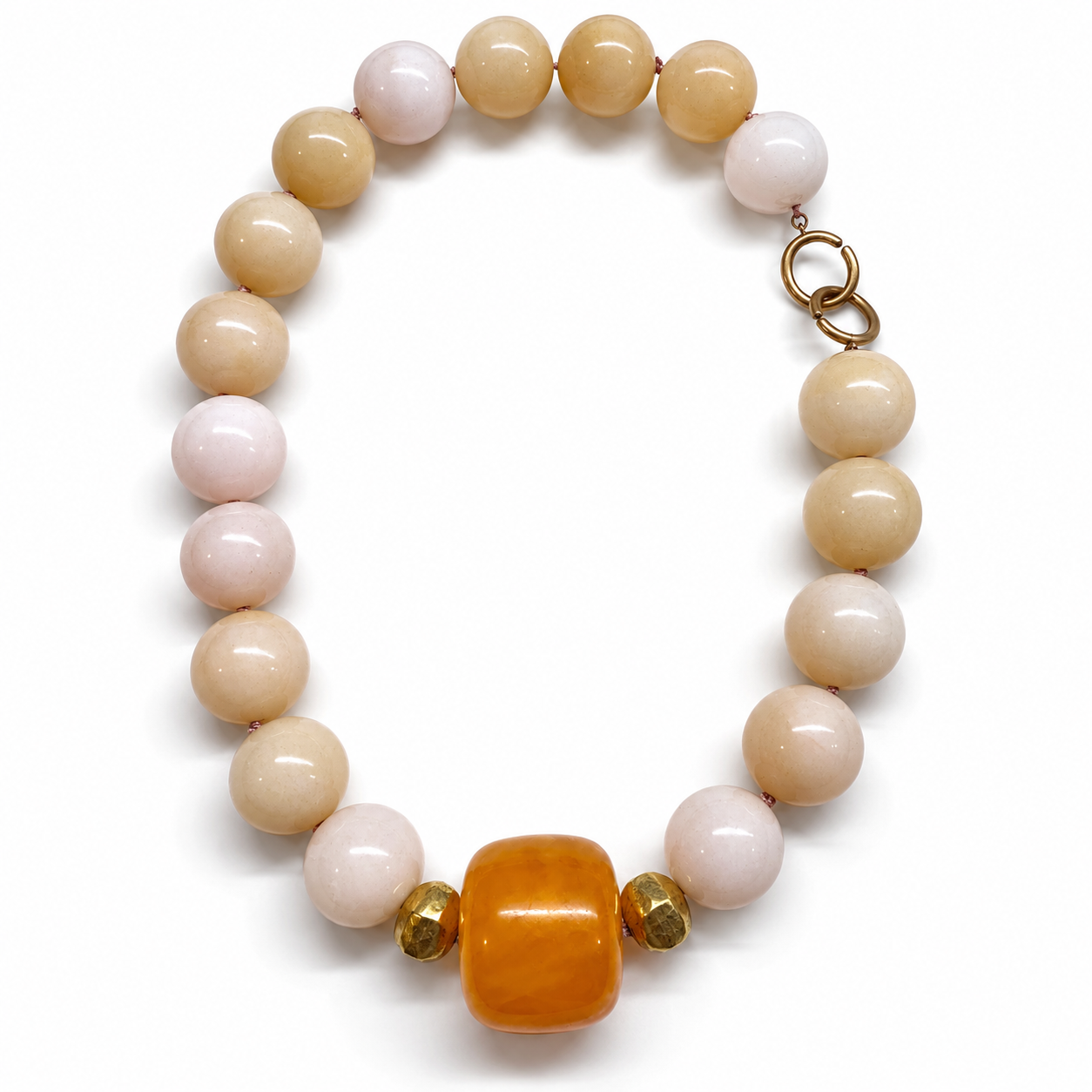
The moment you see the Peruvian Opal and Antique Copal Necklace with Katura Signature Clasp, you notice the scale. The opal beads are jawbreaker-sized—substantial, luminous, impossible to ignore. They sit at the center of your collarbone like a quiet declaration. But scale alone does not make a necklace significant. What separates this piece from something you might find anywhere is what happens next: the story of how these stones came together, and the metals that frame them.
The Opals: Light Trapped in Stone
Peruvian opals are not the fragile, precious opals of Australian legend. They are robust, often milky in their base tone, but shot through with veins of color—blues, greens, occasional flares of warm amber. The ones in this necklace are substantial enough that you feel their presence on your skin. Jawbreaker-sized is not an exaggeration; it is a promise. When light hits them, especially in natural daylight, you see why opal has captivated jewelers for centuries. The color is not fixed. It moves. It lives.
What makes opal difficult for most jewelers is precisely what makes it irresistible: it demands respect. It is sensitive to temperature, to moisture, to neglect. Mass-produced opal necklaces often treat the stone as scenery—something pretty to string and ship. Here, the opal is the protagonist. The metals and the copal exist to let it perform.
The Antique Copal: Warmth and History
Copal is fossilized resin—younger than amber, older than yesterday. It has weight and warmth that modern synthetics cannot replicate. An antique copal piece carries the particular richness of age; the resin has had time to deepen, to develop character. In this necklace, the antique copal sits among the opals like a secret. It is warmer, darker, more intimate than the cool luminescence of the stones around it. It is also rare. Antique copal is not something you find in quantity. It is something you find, and then you think about what it should become.
The contrast between the translucent opal and the opaque, warm copal creates a visual rhythm. Your eye does not rest on one stone; it travels. This is not accident. This is the result of understanding that a necklace is not a single moment—it is a series of moments, each one meant to be discovered.
The Metals: 18K Yellow Gold and Rose Gold in Conversation
The solid 18-karat yellow gold beads that accent the copal are not decoration. They are a bridge. Yellow gold is warm; it echoes the warmth of the copal and grounds it. The choice to use 18-karat gold—not plating, not filled, but solid—means these beads will not wear thin. They will not disappear. They will only deepen as you wear them, developing the patina that comes from contact with skin and light.
The clasp is where the piece reveals its final intention. Katura's Signature Oval Link clasp, rendered here in 10-karat rose gold, is both practical and beautiful. Rose gold is cooler than yellow gold, slightly more contemporary. It catches light differently. The oval link is distinctive—a signature that says this piece was made with thought, not indifference. A clasp can be invisible, or it can be part of the design. Here, it is part of the design.
Why Handmade Matters Here
The studio description notes that each piece varies slightly because it is handmade. This is not a flaw; it is evidence. It means someone sat with these particular opals, these particular pieces of copal, and decided how they should be arranged. It means the spacing between the stones was considered. It means the weight distribution was tested. A machine can string beads. A person has to think about why.
The necklace is sterling silver, which means it will develop a patina over time if not polished, or remain bright if you prefer. Sterling silver is honest—it shows age, it shows care, it shows use. It is not trying to be something else. Neither is this necklace.
The Feeling of Wearing It
A necklace that feels as significant as it looks—that is what the studio says about this piece, and it is the truest description. Significance is not about price or brand. It is about the feeling that something was made with intention, that materials were chosen because they belong together, that the person who wears it is wearing a choice, not an accident. The Peruvian Opal and Antique Copal Necklace with Katura Signature Clasp is a choice. It arrives in stock, ready to ship immediately, which means it is ready for someone who recognizes it the moment they see it. Not everyone will. But the ones who do will understand why it matters.
Tags:
As featured above
Peruvian Opal and Antique Copal Necklace with Katura Signature Clasp
From the Katura studio · $3,100
Shop this piece →CONTINUE READING
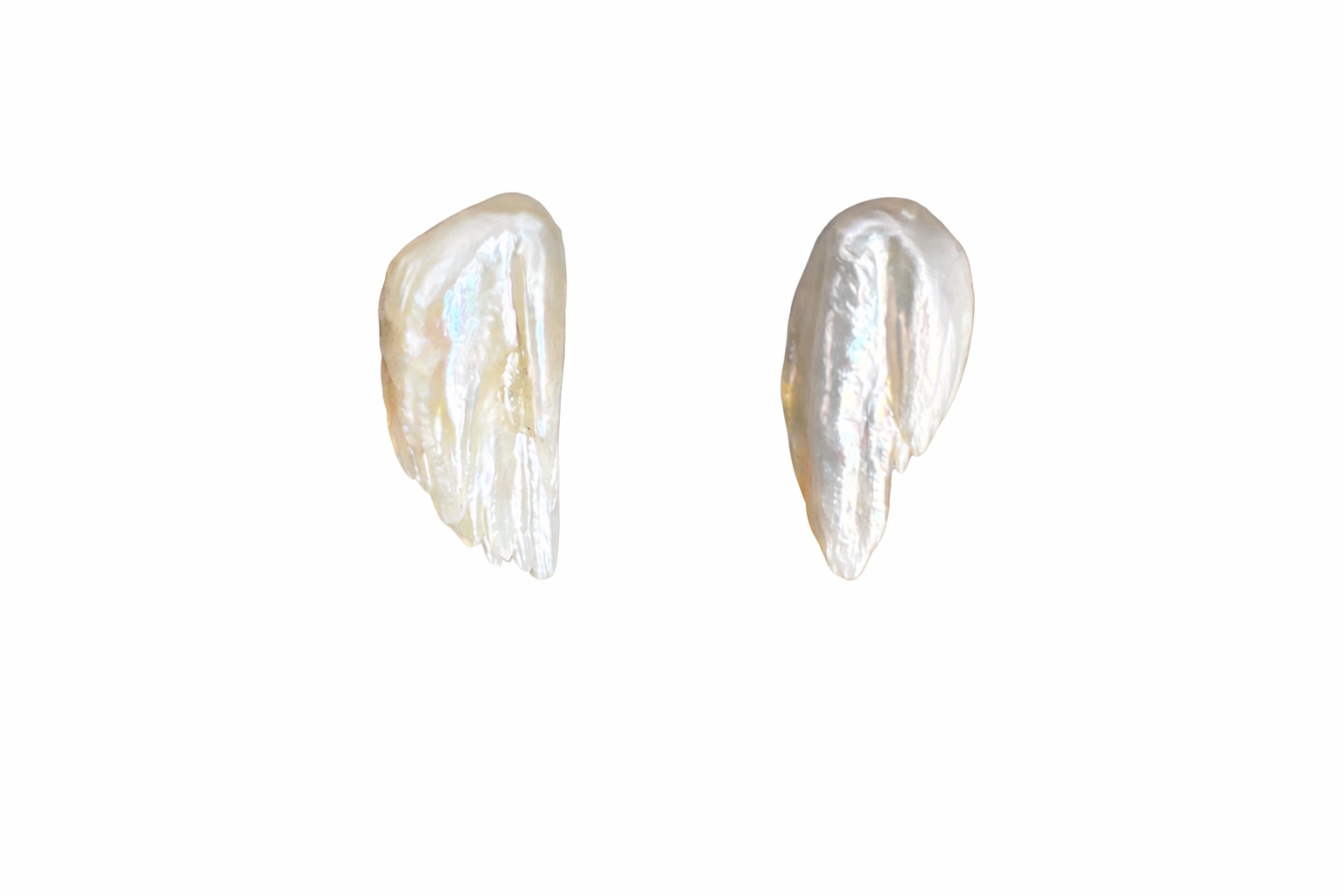
Natural River Pearl Earrings: Asymmetric Studs in Yellow Gold
Asymmetric river pearls in 14K yellow gold posts drop with lustrous, textured beauty. We explore what makes these one-of-a-kind studs unmistakably handcrafted.
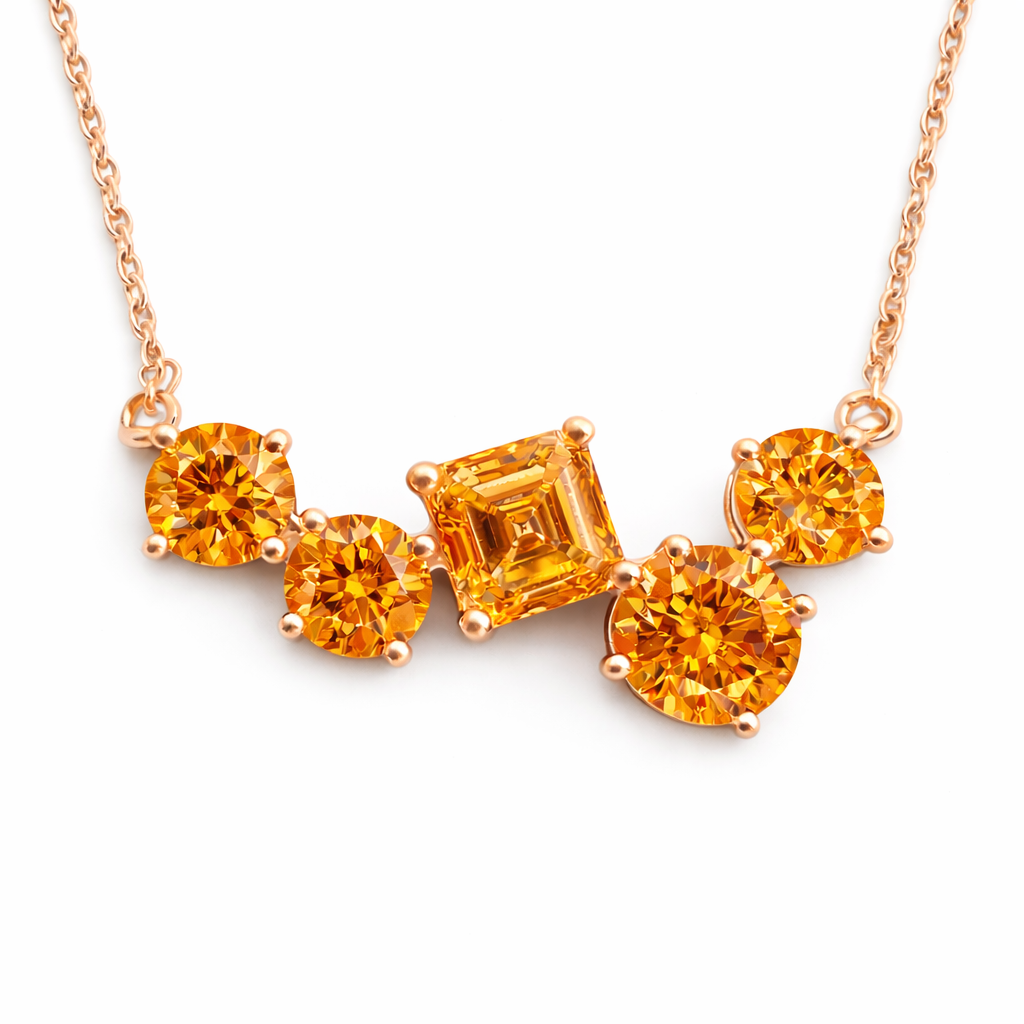
Izzy Fancy Intense Orange Diamond Necklace: Mandarin Fire in Rose Gold
Meet the Izzy: a 3.5-carat lab-grown orange diamond necklace in 18K rose gold that glows like exotic mandarin. Here's what makes this handmade piece impossible to replicate.
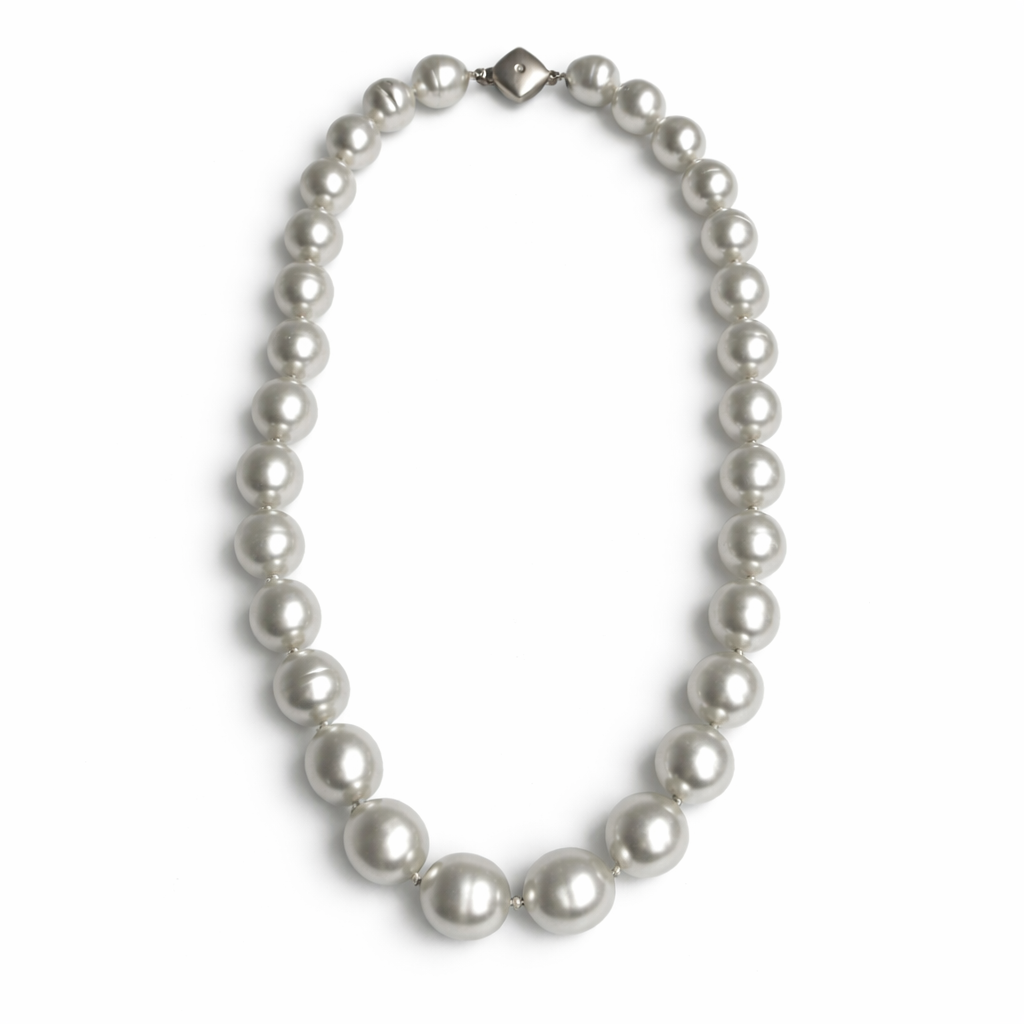
South Seas Pearl Necklace: Why This 14K White Gold Strand Matters
A strand of South Seas pearls catches light differently than most jewelry. Here's what makes this particular necklace—set in 14K white gold with a diamond clasp—worth the investment.